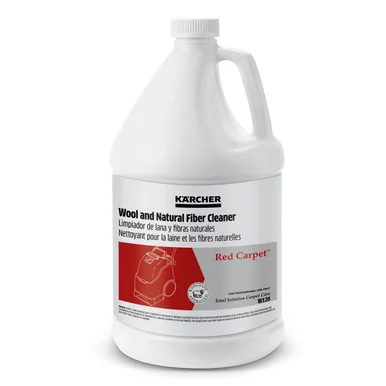
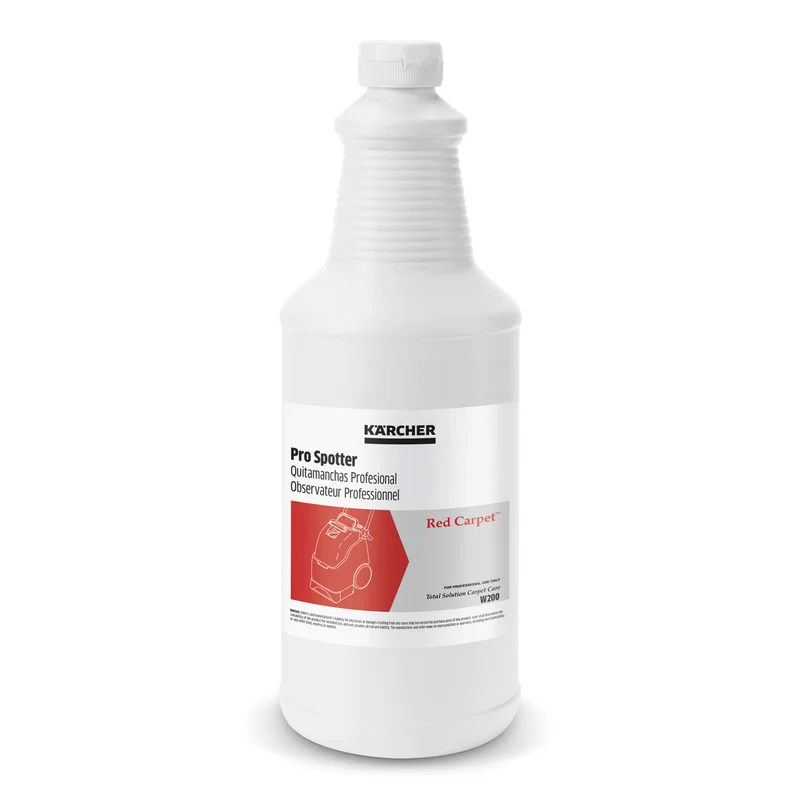
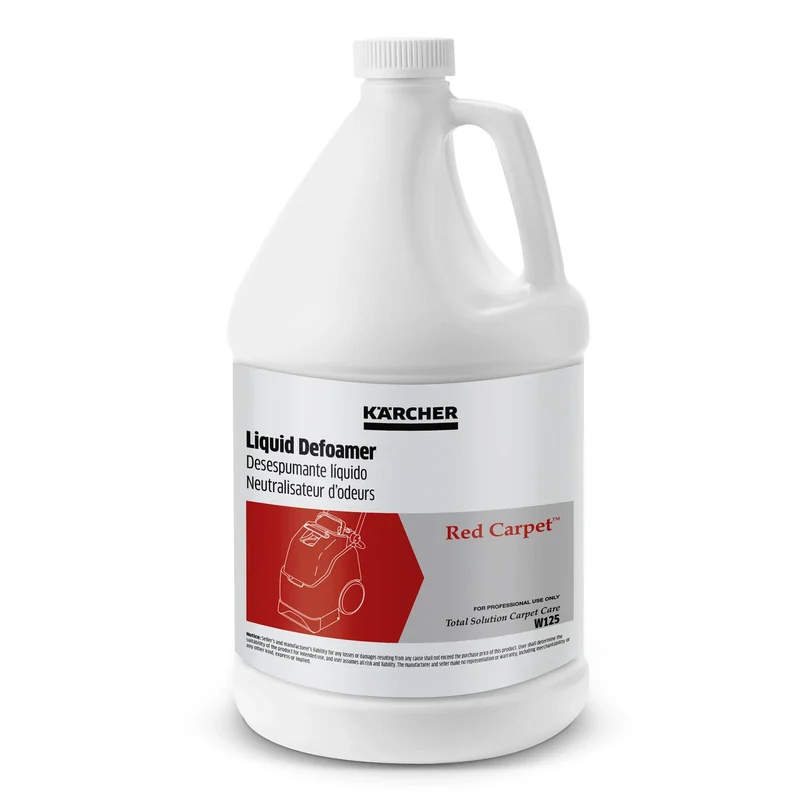
Identify three things before choosing a product: the floor and its finish, the type of soil and the result you want. Cleaning removes soil. Stripping removes an applied finish. Finishing adds a film.
Which product fits the job?
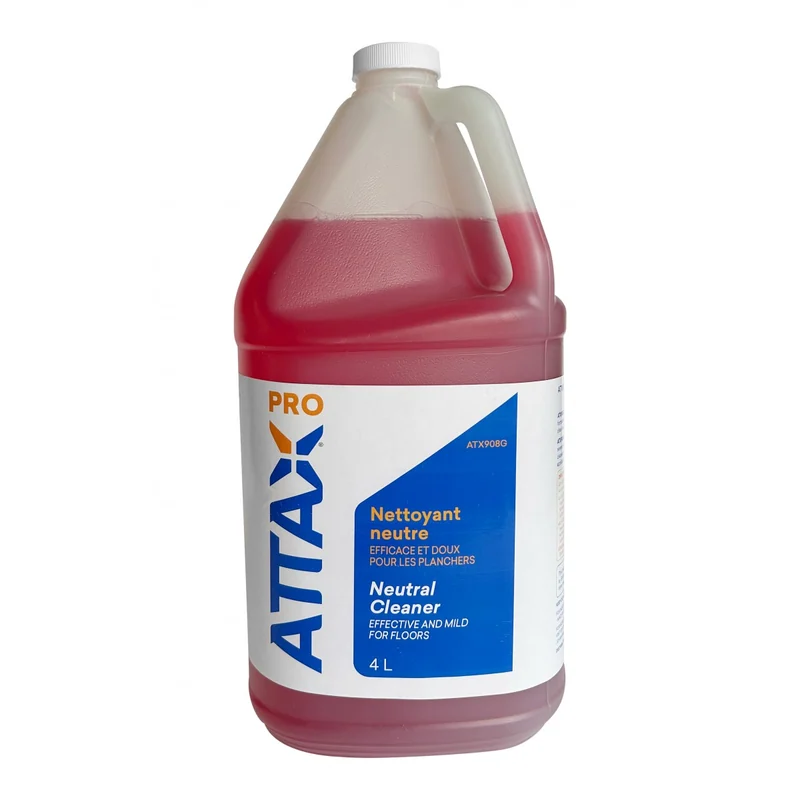
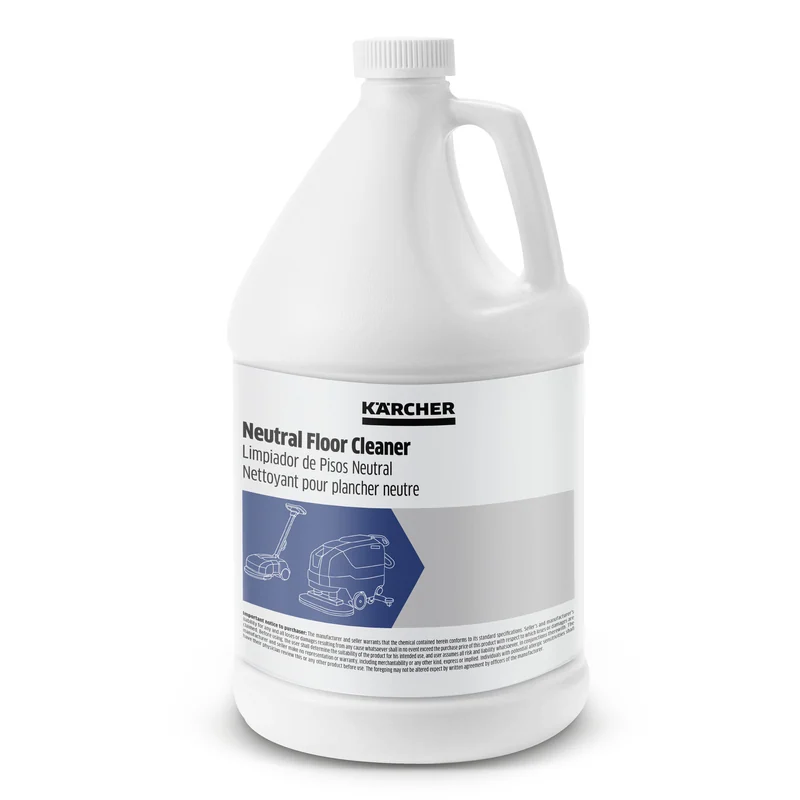
Neutral cleaner
Tracked-in grime, footprints and light soil on a compatible finish.
Surfactants help the solution wet the surface and loosen soil. A microfibre pad or the scrubber’s vacuum then carries away the dirty water. A pH close to 7 does not guarantee compatibility.
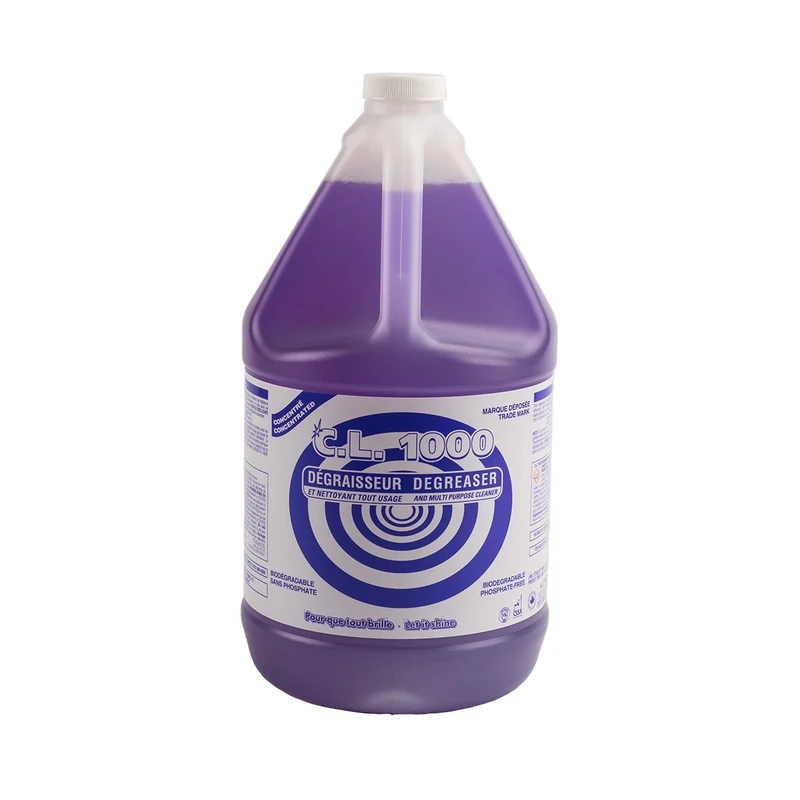
Degreaser
Greasy deposits that resist routine washing, on an approved surface.
The formula helps lift and disperse grease in water so it can be recovered. A strong alkaline degreaser can dull or damage some finishes.
Acid cleaner
Certain mineral deposits, where the flooring manufacturer permits the method.
Acid reacts with certain minerals. It can also attack marble, limestone, concrete and some cement-based grout. Identify the deposit and all affected materials first.
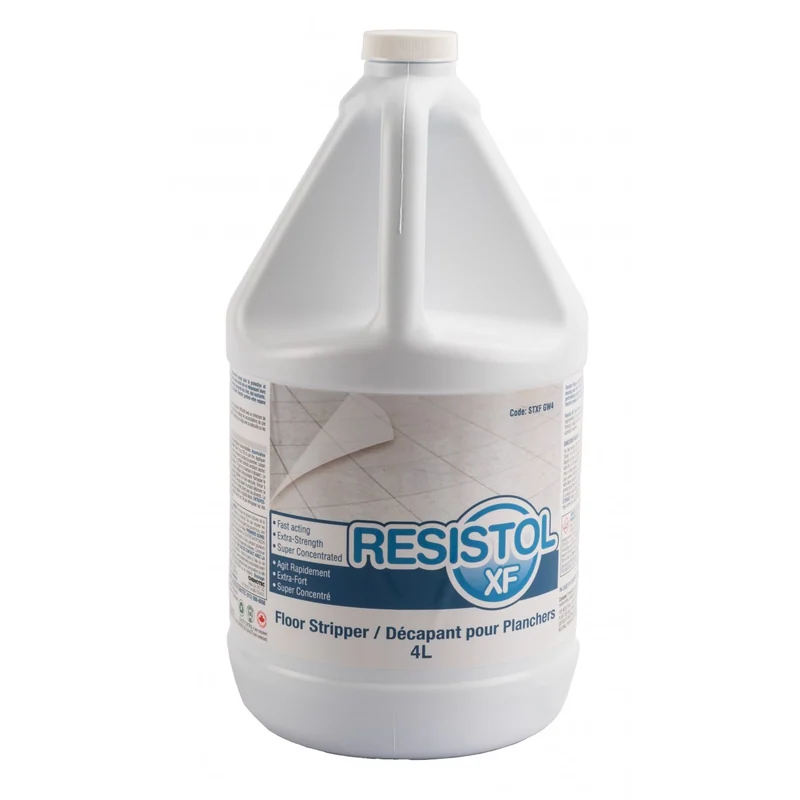
Stripper
Removing an old maintenance coating from a compatible floor system.
It softens or breaks down the film so it can be recovered. Test the method and plan recovery before treating the entire area.
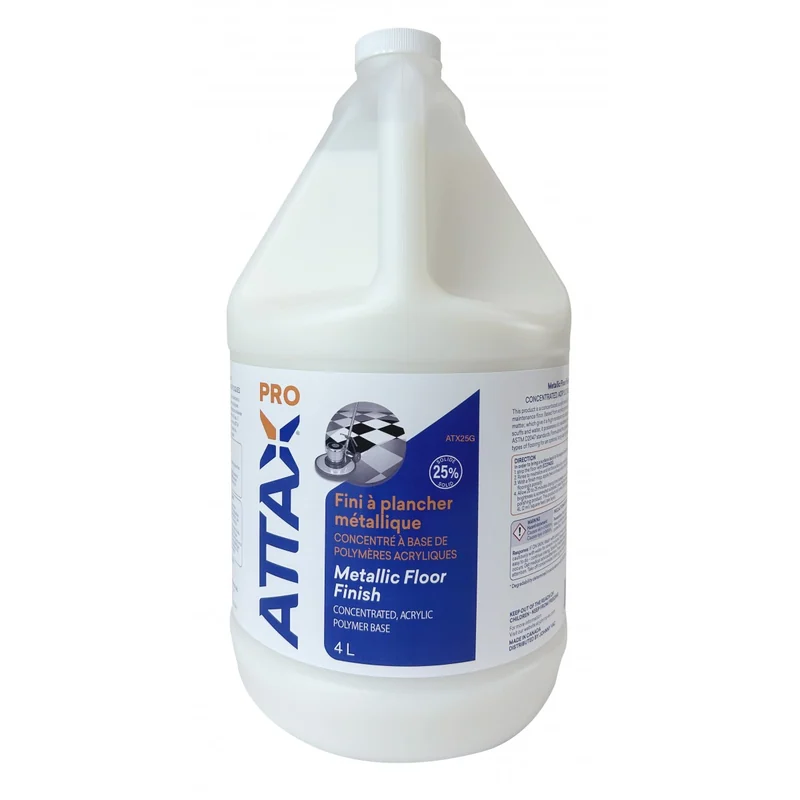
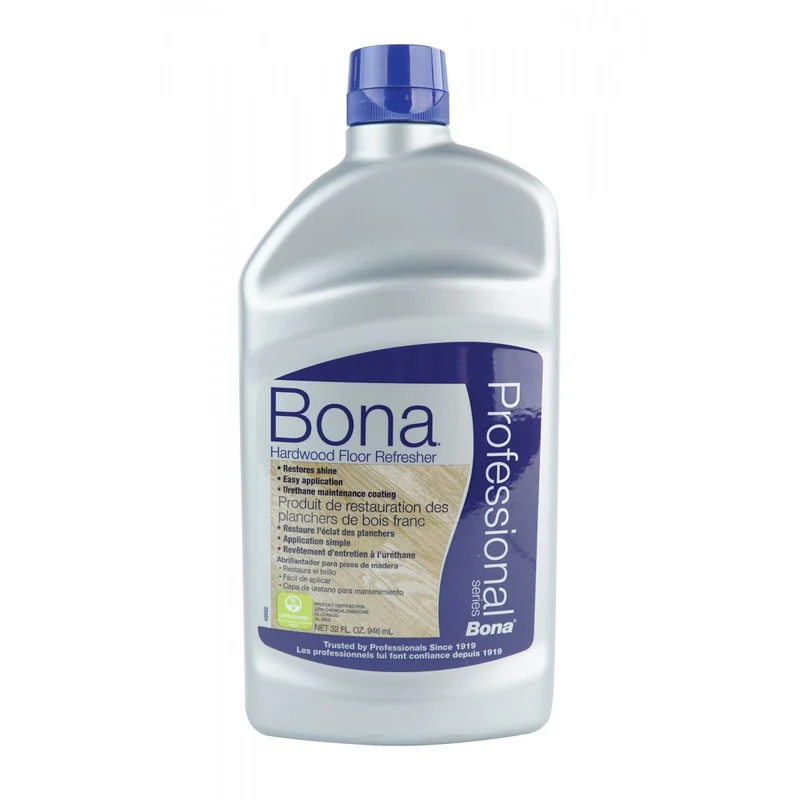
Finish and refresher
Protecting flooring designed to receive a finish or reviving the appearance of a compatible finish.
Acrylic finish dries into a wear layer. A refresher changes the appearance of a specific finish. Deep scratches and exposed wood need a restoration assessment.
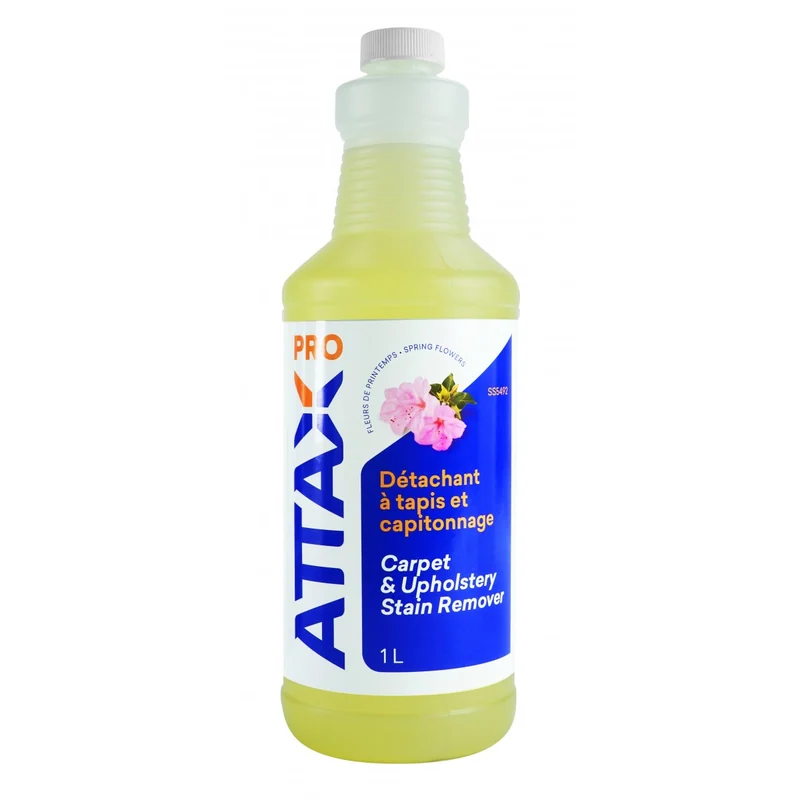
Carpet chemicals
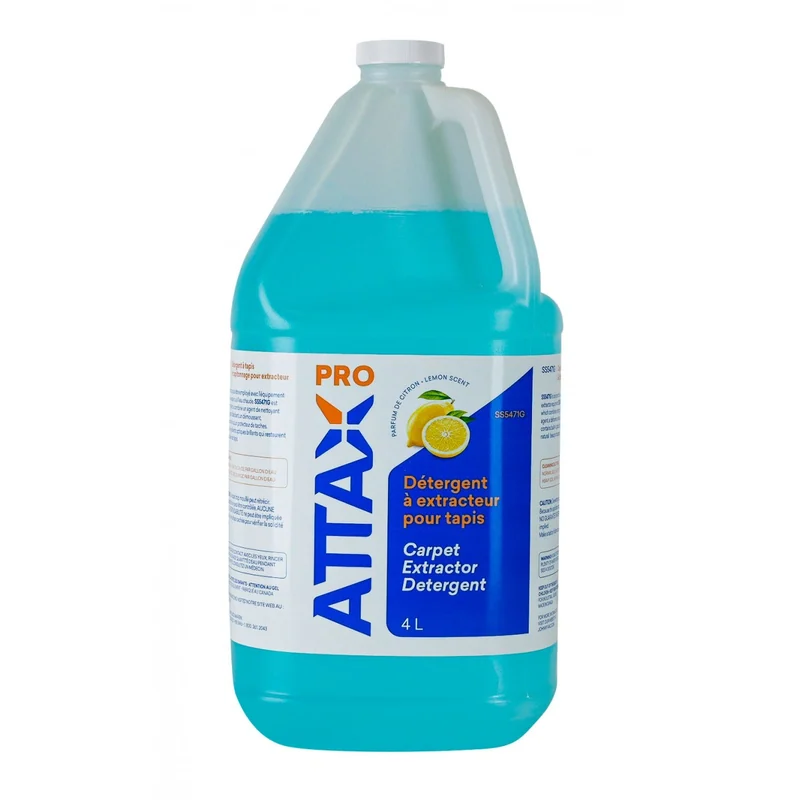
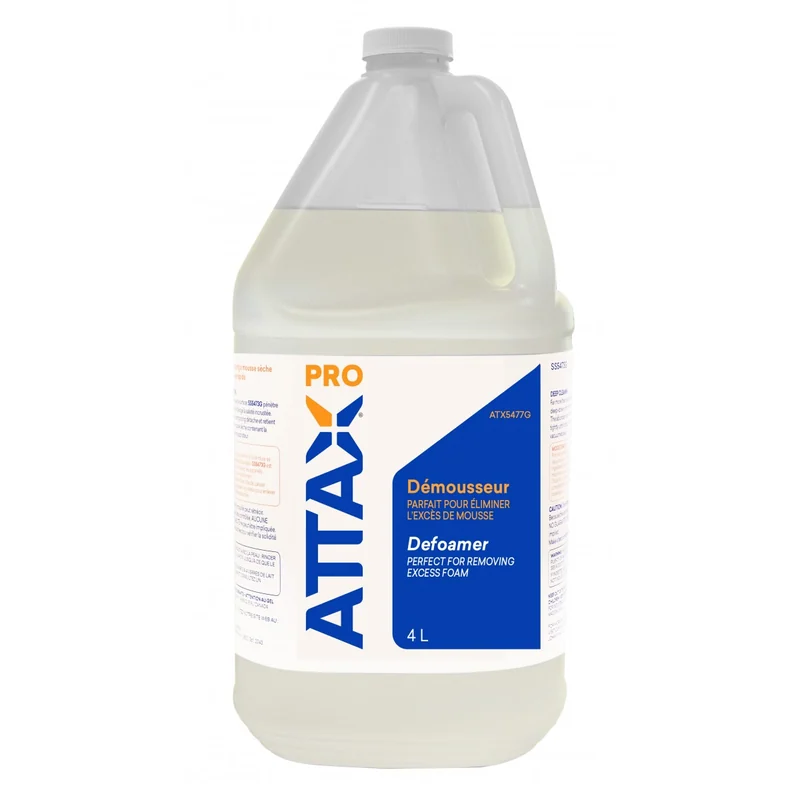
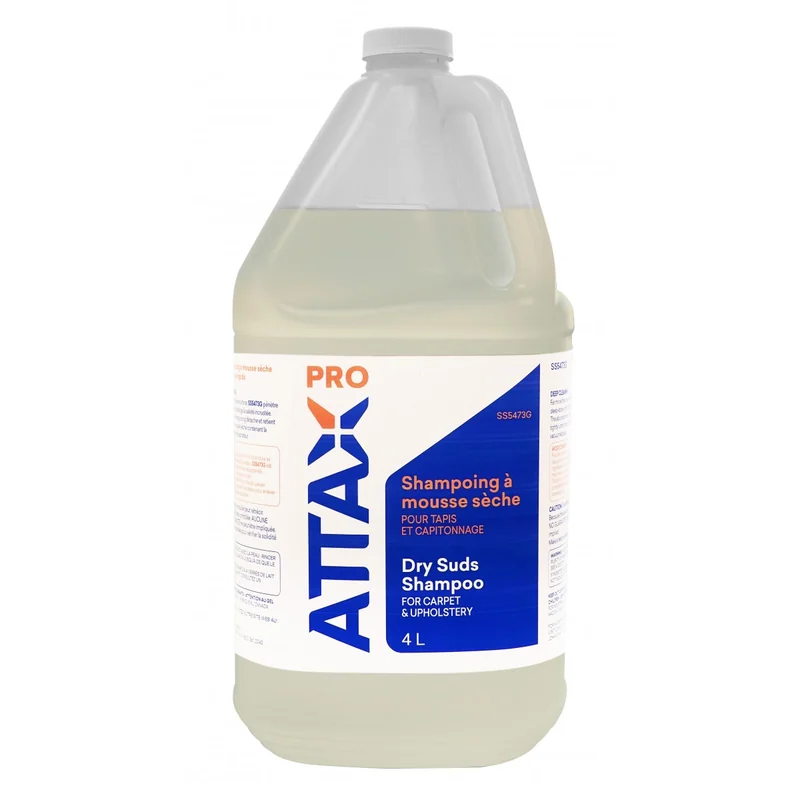
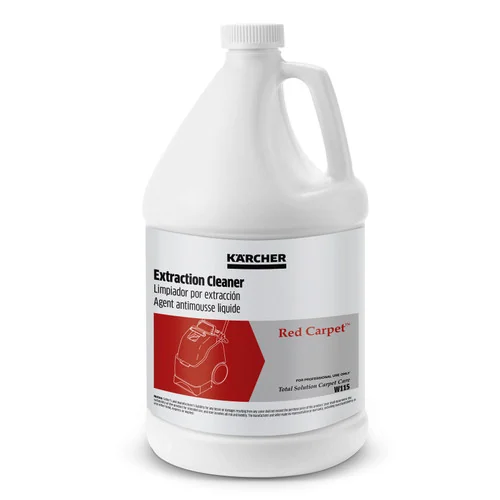
Spot treatment, extraction, low-moisture cleaning or foam control.
A spotter helps transfer soil to a cloth. In extraction, the machine recovers the solution carrying the soil. A defoamer acts on foam in the recovery system.
Prepare, apply and check
Read the flooring and machine instructions, then the product label and safety data sheet (SDS). Check approved surfaces, dilution, contact time, rinsing, ventilation and protective equipment. In workplaces, also follow WHMIS and site procedures.
Distinguish ready-to-use products from concentrates. Measure with a dedicated dispenser. Calculation example only: a label that calls for 10 mL per litre of water requires 40 mL for 4 L of water. For ratios, check whether the stated volume means water or finished solution. Never mix cleaning products.
Remove dry debris, protect adjacent surfaces and test in a hidden spot. Carry out the entire method, including any required rinse, then check colour, sheen and texture after drying.
Work in small sections. Follow the allowed dwell time and agitation, then recover the solution and rinse if required. Excess chemical or dirty solution left to dry can create a sticky haze.
Keep traffic off the wet area. When dry, inspect it in low-angle light. If results are poor, check the dose, pad and recovery before changing chemicals.
Cleaning removes soil. If disinfection is required, use a product authorized for that purpose and surface. Follow its label, including how long the surface must remain wet.
For pricing or availability in Joliette, give the store the product reference.
Before using a cleaning chemical, check that it is compatible with the floor and the equipment. Follow the label for dilution, rinsing and precautions. Contact the store to request a safety data sheet.
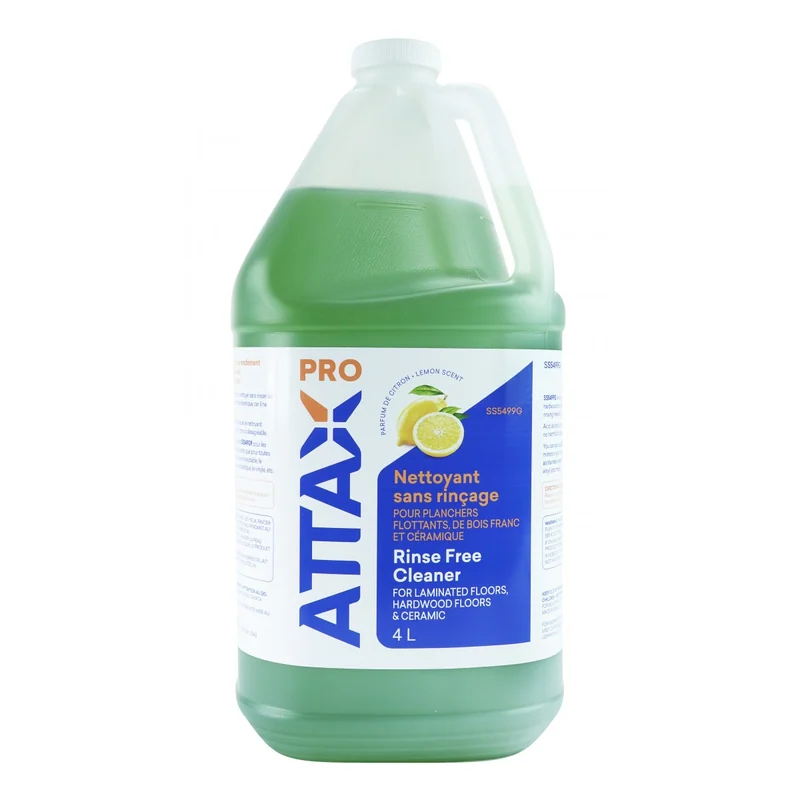
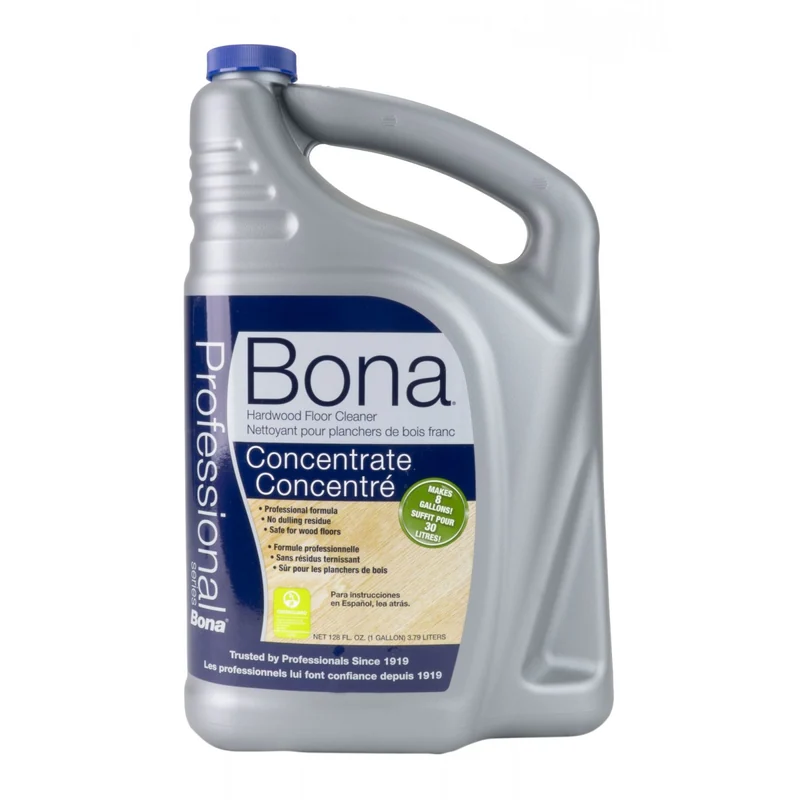
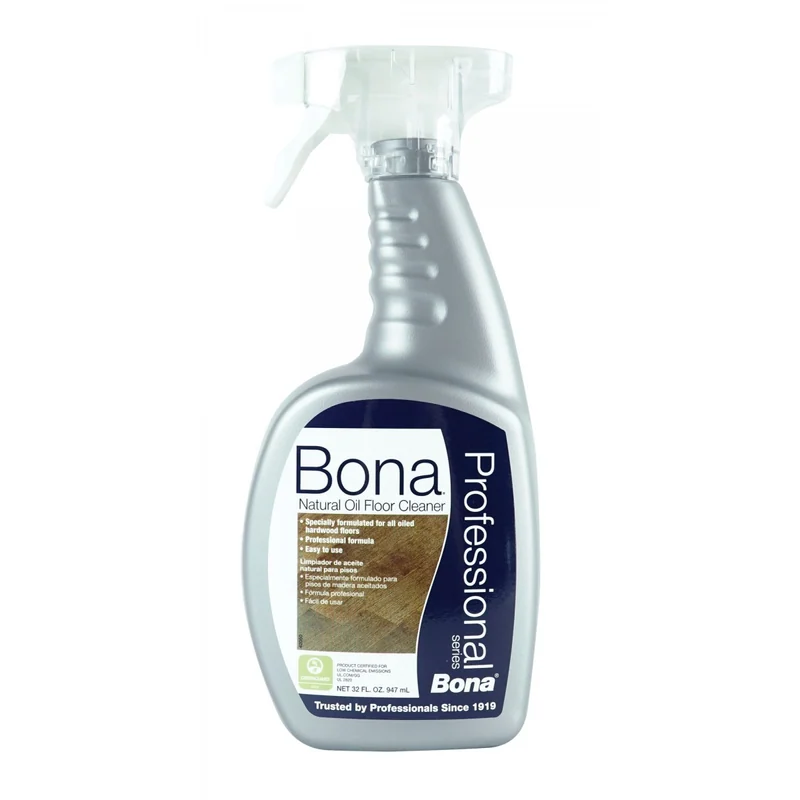
For routine care of compatible oiled wood floors. Identify the oil or finish first.
Application and effect
How to use it
Confirm the oil system accepts this cleaner, then apply and wipe as directed. If the wood still looks dry or dull, check the maintenance oil procedure.
What it does on the surface
Removes everyday soil from compatible oiled wood. Maintenance oiling is a separate operation.
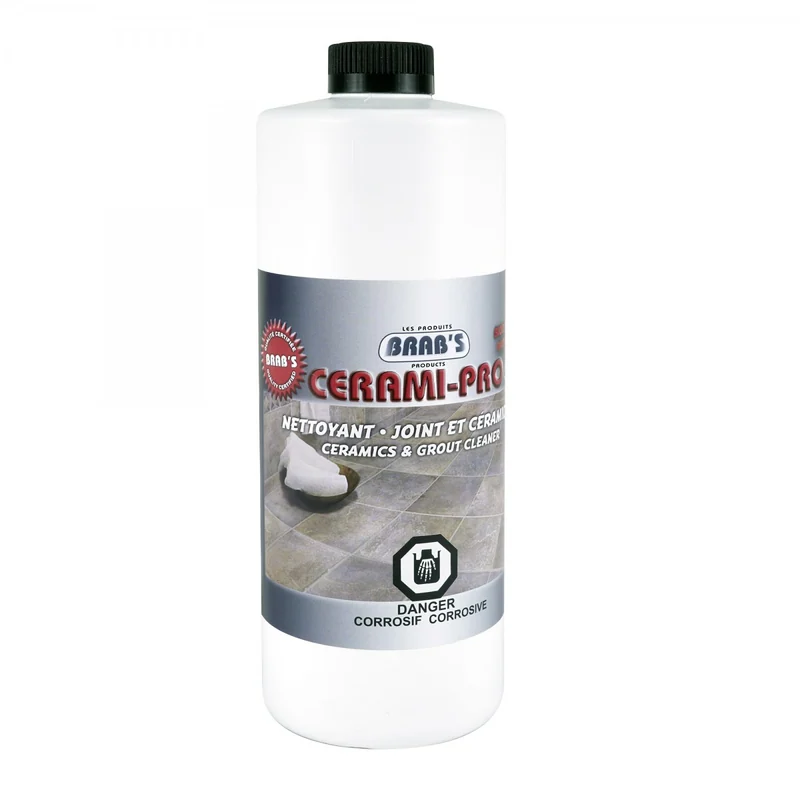
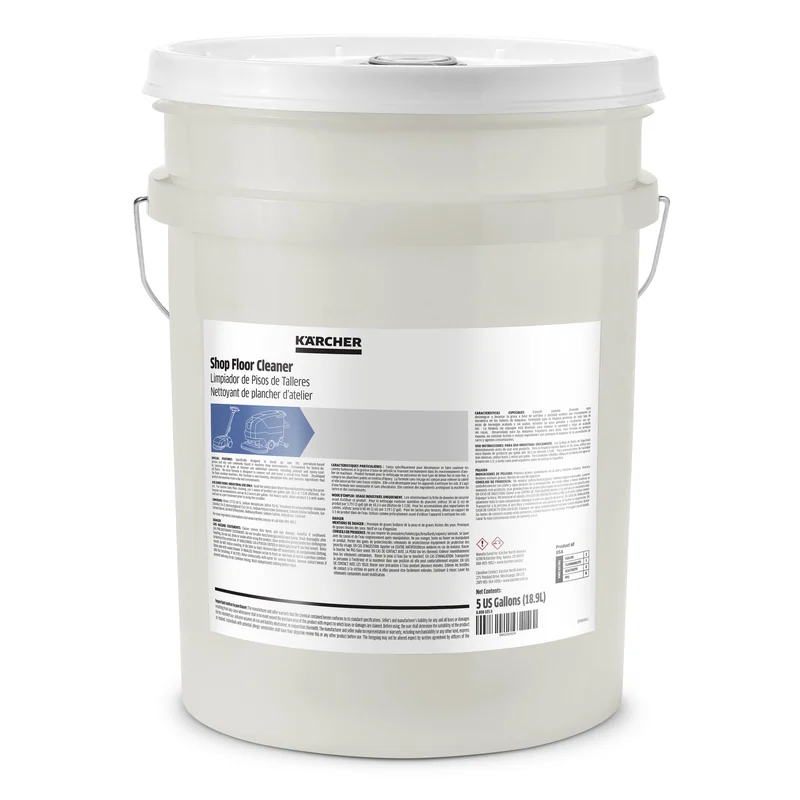
For removing greasy deposits from compatible surfaces. This corrosive product is restricted to industrial, institutional and food plant use. Check the safety data sheet and label dilution.
Application and effect
How to use it
Follow workplace procedures for corrosive products. Remove excess grease first, then dose, agitate, recover and rinse as directed.
What it does on the surface
Helps disperse grease so it leaves with the recovered solution. An unapproved finish may lose its sheen.
Removes old finish and wax buildup from compatible floors. This corrosive product is restricted to industrial, institutional and food plant use. Read the safety data sheet before use.
Application and effect
How to use it
Assign this work to trained staff. Confirm the substrate and finish are compatible. Follow the instructions for dose, dwell time, recovery and preparation before refinishing.
What it does on the surface
Softens the old maintenance coating so it can be removed. Recover the solution carrying the coating before it dries.
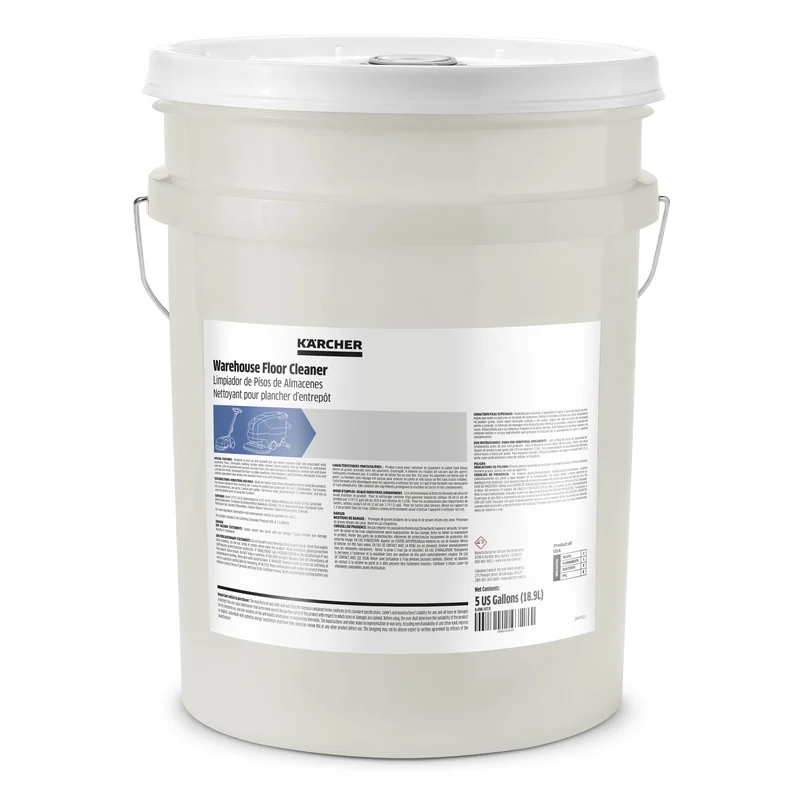
Alkaline concentrate for routine cleaning of finished or unfinished warehouse concrete. Check the finish, the auto-scrubber instructions and the product safety data sheet.
Application and effect
How to use it
Identify the slab coating. Test at the label dose before machine scrubbing and recover the solution.
What it does on the surface
Loosens warehouse soil on compatible concrete. After drying, check that the cleaner’s alkalinity and the pad preserved the finish’s sheen.
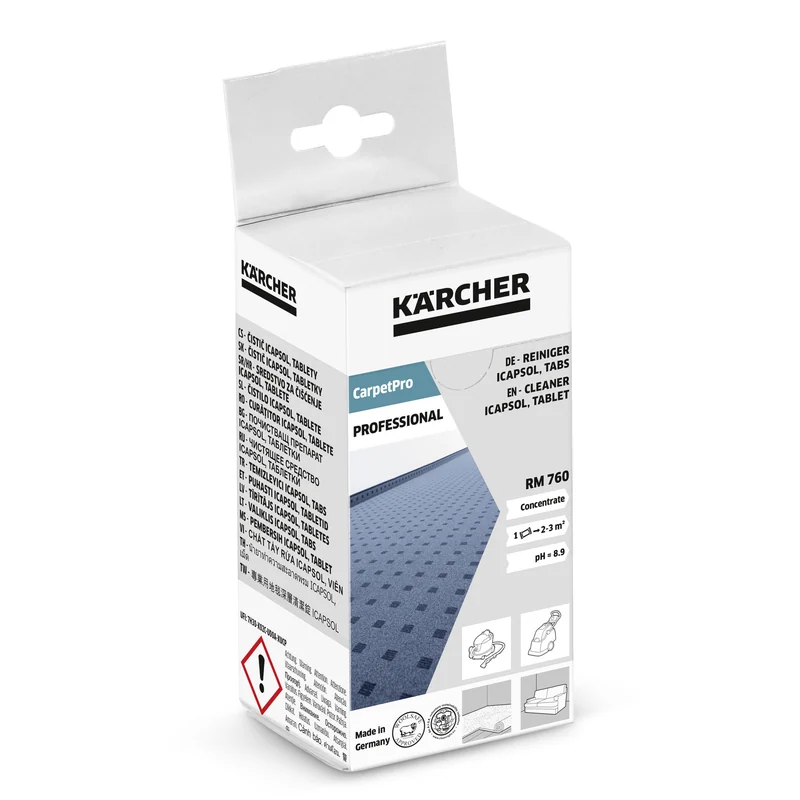
Water-soluble tablets for spray extraction on carpet. Kärcher lists the Puzzi 10/1 and 30/4 among compatible machines.
Application and effect
How to use it
Dissolve the tablets in the stated volume of water. Extract and recover the solution with approved equipment. Kärcher specifies a no-rinse method. Once fully dry, vacuum residue with a head suited to the fibre.
What it does on the surface
The solution loosens soil and suction recovers some of it. The iCapsol technology traps remaining soil in residue that crystallizes as it dries and can then be vacuumed up.